




AI automation
AI agents do the repeat work in your business, from product builds to newsletters and research, and I review every change to their code and rules before it ships. That is how a stealth biotech startup's first product went from an empty database to production in one month.
AI systems
A working map of the 36 AI systems I run, from researching a company before a deal to building the database under a product. Add the ones that match work your team repeats each week to your list and send it to me: I will come back with how each would run on your tools and at your volume.
- The chart shows how every system runs, from the job you send to the result in your tools.
- Open a kind of work in the left column or on the chart, then pick a system. The arrows at the top right step through all 36.
- Content for every channel, App built under review and Product analytics have a second tab with sample records made up for this demo.
- Press Add to my list on each system your team needs; the list stays in this browser. Send my list opens an email to me that names them.
This demo is built for a laptop or a tablet. On a phone the chart shows as its seven steps, and every system still opens.
Add the systems your team needs, then send me the list.
- You send the job. A job can be a brief, a document, a list of companies or something a user did in your product. The system picks it up where it already is: your inbox, your CMS or your database.
- One operator. I take the job and run it with AI agents in Claude Code or OpenCode. I run all 36 systems myself, so you brief one person for all of it.
- The system for the job. The job goes to the system built for it, one of 32 across seven kinds of work. The eighth kind, Running the agents, holds the four parts those systems share.
- Code collects. Each system starts from its written steps and rules. Where a system collects data or counts, plain code does it with no AI model involved, so the same data gives the same numbers on every run.
- Models judge. An AI model steps in only where a step needs judgment or writing, and each step has its own model: a low-cost one for simple, high-volume reading, a stronger one for analysis and writing. A step that runs through the model router moves to the next provider when one goes down.
- Checks, then you. Where a system has a check, code tests each result against the source data and your rules, and anything that fails is held with the reason it failed. Each system's diagram marks the steps where a person decides; the others run on their own.
- Back into your tools. The result lands in the tools you already use, through MCP servers and their APIs. Each run is saved to your database with what it held, so you can check it and the next run starts from it.


 07Your tools

BUILT FOR
SIMBA Chain
- AI and blockchain solution for the US military
- Enterprise and regulated industries
Structured content pipeline with PR, SEO architecture, founder voice, and social media growth.
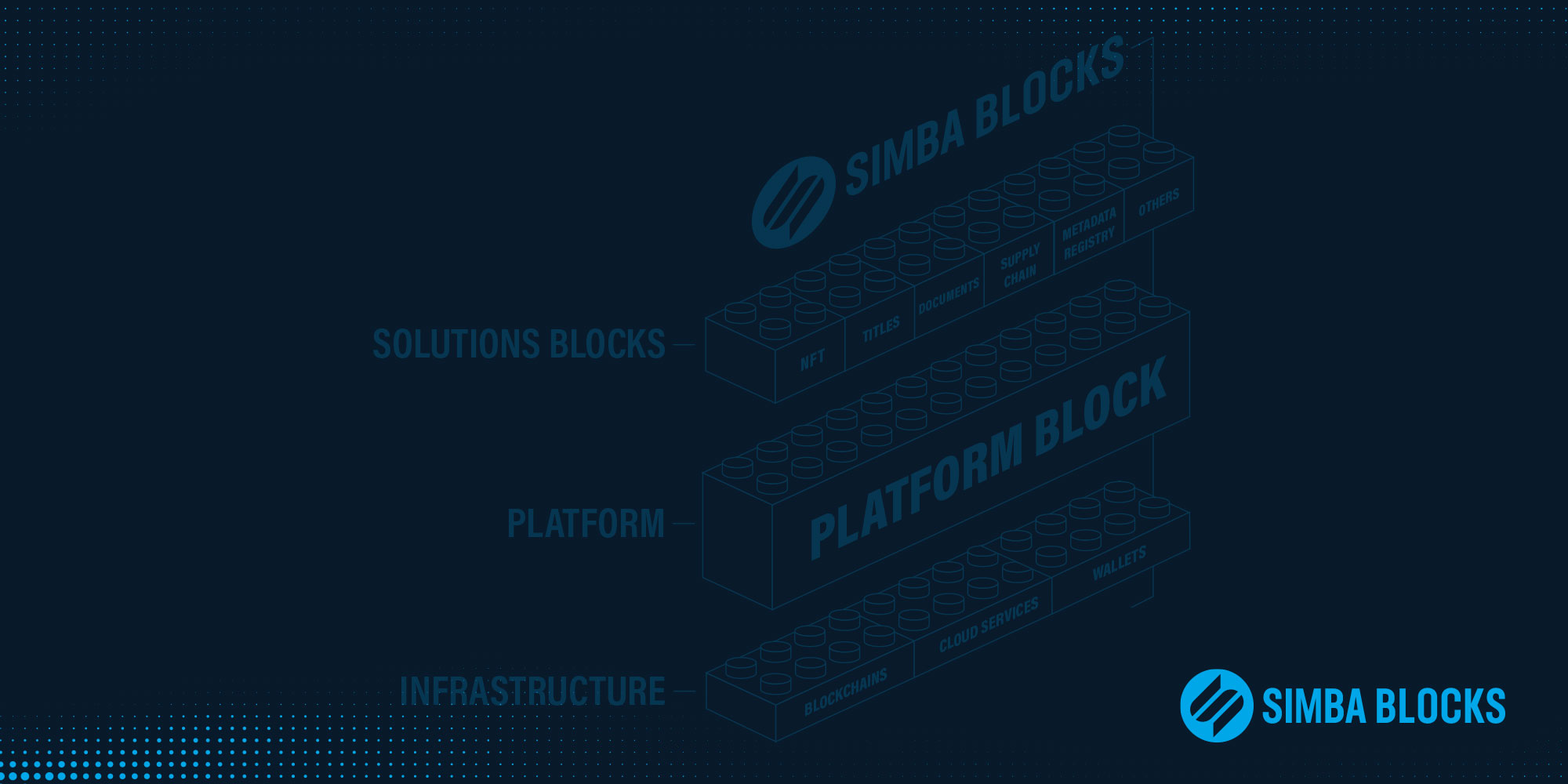
Through the marketing campaign run alongside Polygrowth, I shaped the SIMBA Chain campaign to establish its authority as a leading blockchain-based product: SIMBA Blocks, alongside its AI-driven solution for supply chain systems.
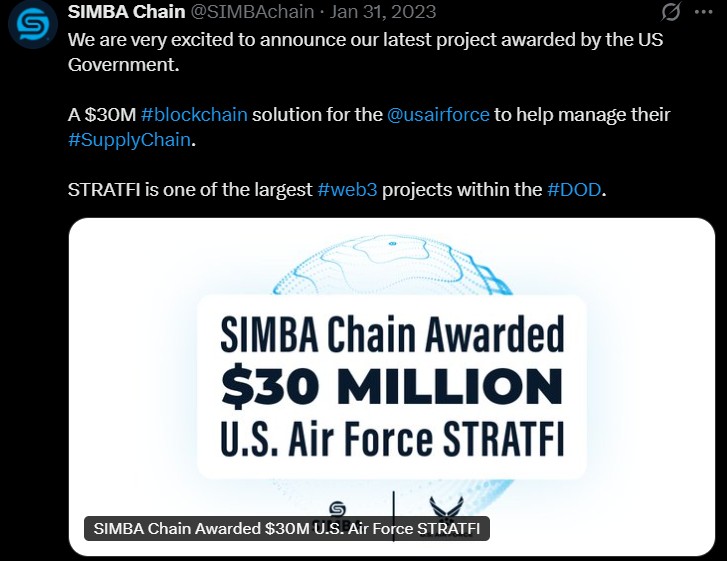
SIMBA Chain was awarded a U.S. contract with the U.S. Space Force and the Department of the Air Force for blockchain-based solutions for space asset management and logistics.
- U.S. Air Force STRATFI award
- $30M
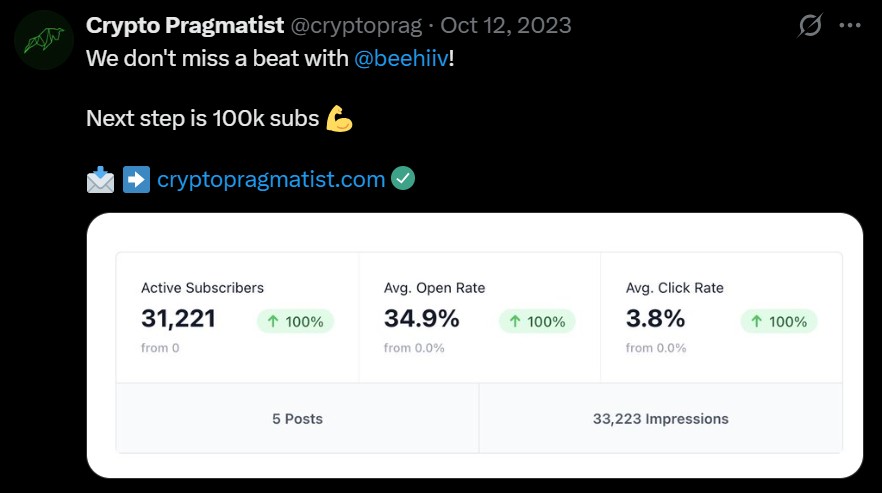
- beehiivemail marketing
- GPTbulk processing







Send me what you're growing.
There is no call to book. Send me an email and I reply in writing.
jose@jcomarketing.io